Overview of the Rigol DS1054Z Oscilloscope
The Rigol DS1054Z‚ released in 2026‚ offers 4 channels‚ 105 MHz bandwidth‚ and 50 MS/s sampling. Its manual‚ dated 07/10/2026‚ guides users through setup‚ features‚ and troubleshooting‚ ensuring reliable‚ high‑resolution measurements. for hobbyists engineers and pros
Initial Setup and Basic Operation
The Rigol DS1054Z manual guides beginners through power‑on‚ cable connections‚ and initial calibration. It explains screen navigation‚ setting up timebase‚ vertical scale‚ and channel selection‚ ensuring accurate first‑time measurements. The color is adjustable now!?
Powering On and Connectivity
Before powering on the Rigol DS1054Z‚ ensure the power cable is securely connected to the back panel and the outlet is functioning. The device’s LED indicator should light up‚ confirming a successful connection. If the display remains blank‚ verify that the front‑panel power button is pressed firmly and that the voltage selector matches your region (120 V or 220 V). For USB‑C connectivity‚ plug the cable into the designated port; the oscilloscope will automatically detect the host computer‚ allowing firmware updates and waveform export via the Rigol software suite. When using the optional Ethernet port‚ connect a standard RJ‑45 cable to your network switch; the device will obtain an IP address via DHCP‚ enabling remote control through the web interface. Always use the supplied power adapter rated for 100–240 V to avoid damage. The manual recommends a 5 W power supply for optimal performance. Once powered‚ the screen will display the default “Welcome” screen‚ indicating readiness for channel configuration. For safety‚ keep the device away from moisture and ensure the enclosure is intact before proceeding with further setup steps. The DS1054Z also offers dual‑screen mode‚ enabling side‑by‑side waveform comparison on a single display; this feature is handy for debugging and can be activated via the menu’s ‘Dual‑Screen’ setting‚ which can be toggled with a button press now.
Configuring Display and Timebase
The Rigol DS1054Z’s display can be customized through the front‑panel menu or via the PC software. To adjust the timebase‚ press the TIME button‚ then use the UP/DOWN arrows to set the horizontal scale from 0.1 µs/div to 10 s/div. The ZOOM function allows fine‑tuning by holding ZOOM and scrolling the mouse wheel‚ which expands the waveform horizontally without changing the timebase setting. For vertical scaling‚ select the desired channel‚ press VOLT‚ and adjust the volts/div value from 0.01 V/div to 10 V/div. The TRIG menu also offers a TIME trigger mode for precise timing measurements. The screen supports multiple colors; choose COLOR to switch between green‚ amber‚ and blue for better contrast. The GRID toggle turns the background grid on or off‚ aiding in visual alignment. Using the CURSOR tool‚ place two cursors on the waveform; the display will automatically show the time difference and voltage difference between them. The MEMORY button stores the current display configuration‚ allowing quick restoration after a reset. Finally‚ the FULL SCREEN mode maximizes the display area‚ useful when working with complex signals. All settings can be saved to the internal memory or exported via USB for later use‚ ensuring consistent performance across projects. and for calibration.
Signal Acquisition and Triggering
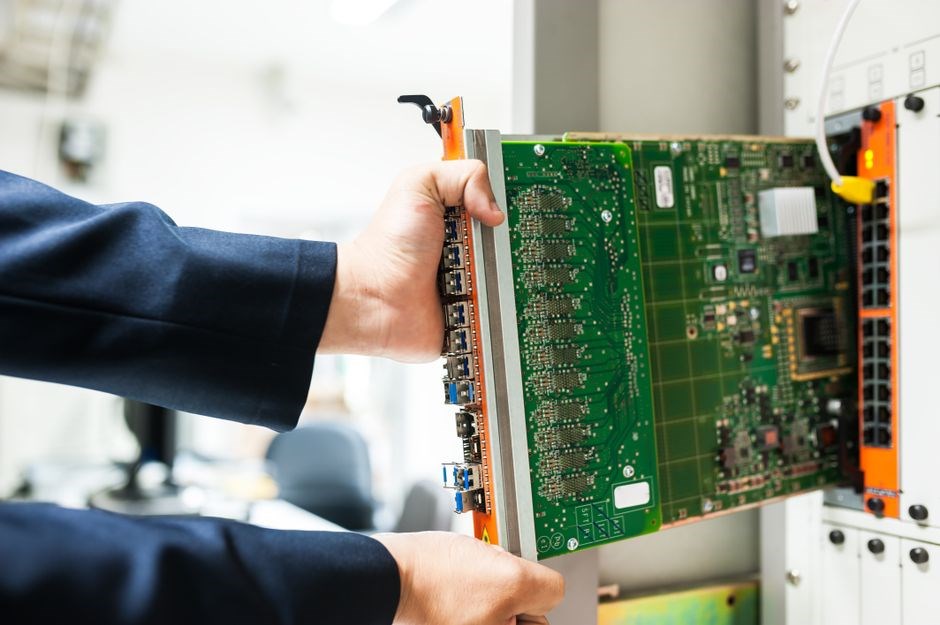
Acquire signals on up to channels with 105 MHz bandwidth high gain Use the TRIG button to set edge pulse or triggers Adjust level‚ slope and hysteresis via the front panel The trigger mode stabilizes noisy signals!!!
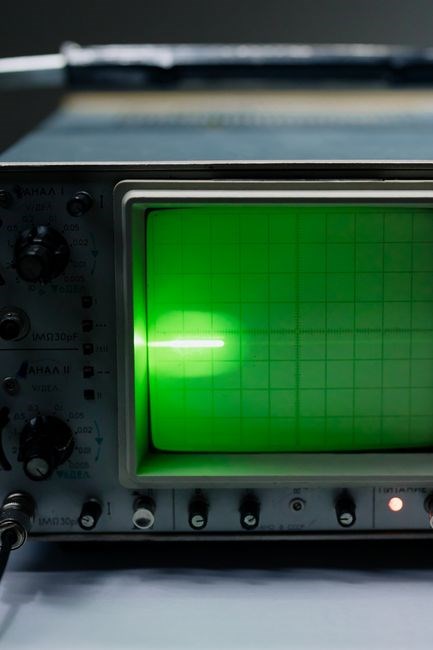
Channel Input and Bandwidth
The Rigol DS1054Z provides four independent input channels‚ each capable of 105 MHz bandwidth and 50 MS/s sampling rate‚ enabling simultaneous capture of high‑frequency signals. Each channel accepts standard BNC connectors and supports 1ׂ 10ׂ and 100× probe attenuation‚ with automatic probe compensation via the built‑in calibration routine. The input impedance is 1 MΩ with a 50 Ω termination switch‚ allowing users to match the source impedance for optimal signal fidelity. Common‑mode voltage ranges from ±10 V to ±1 V‚ and the vertical range can be adjusted in 1 V/div increments for fine‑tuned resolution. The DS1054Z also features a dedicated ground pin on each channel‚ ensuring accurate grounding for high‑speed measurements. Users can enable or disable the 50 Ω termination directly from the front‑panel menu‚ making the scope versatile for both low‑ and high‑frequency applications. For best performance‚ the user should calibrate the probe at least once a month‚ using the on‑screen calibration pattern to verify probe compensation and bandwidth accuracy. The DS1054Z’s advanced channel management allows users to lock or unlock individual channels‚ providing flexibility during complex waveform analysis. The combination of high bandwidth‚ flexible input options‚ and precise calibration makes the DS1054Z a reliable tool for prototyping and troubleshooting electronic circuits. The scope’s input stage is low‑noise‚ and its 14‑bit ADC delivers 1 mV resolution at full scale. Users should keep cables short‚ shielded‚ and avoid long unshielded runs that add noise. This ensures accurate measurements. Use it daily!
Trigger Types and Settings
The Rigol DS1054Z offers versatile triggering options to capture complex waveforms. The main trigger modes are Edge‚ Pulse‚ Video‚ and Pattern. Edge triggers on rising or falling edges of a selected channel‚ with adjustable level‚ slope‚ and hysteresis. Pulse triggers on a pulse width‚ allowing the user to specify minimum and maximum pulse widths for precise timing. Video triggers lock onto a video signal’s sync edges‚ ideal for television or composite video debugging. Pattern triggers compare a user‑defined pattern of bits across multiple channels‚ enabling synchronization with digital protocols. The trigger source can be set to any of the four channels or to a dedicated internal source. Coupling options include DC‚ AC‚ and 50 Ω termination‚ which can be toggled to match the signal source. The trigger level is displayed on the screen and can be fine‑tuned with the trigger level knob or via the front‑panel menu. The trigger delay allows the waveform to be shifted in time‚ useful for aligning multiple channels. The “Auto” mode keeps the display updating even when no trigger event is met‚ while “Normal” mode only updates when the trigger condition is met. Advanced users can combine trigger modes using the “Trigger Set” feature‚ which allows simultaneous edge and pulse triggering for complex signal capture. The DS1054Z’s trigger system is fully programmable via the front‑panel or the PC interface‚ providing flexibility for both hobbyists and professionals. Use it daily for consistent result.
Measurement and Analysis Tools
The DS1054Z manual highlights cursor‚ math‚ and measurement functions‚ enabling voltage‚ frequency‚ rise time‚ and period readings. Allows addition‚ subtraction‚ multiplication‚ division‚ and expressions‚ analysis signal inspection!.
Cursor Measurements and Math Functions
The Rigol DS1054Z manual details how to use cursor measurements for precise voltage‚ time‚ and frequency readings. Two cursors can be placed on any waveform‚ and the displayed values update in real time. Users can lock cursors to maintain positions while scrolling or zooming. The manual explains the “Cursor 1” and “Cursor 2” functions‚ including the ability to measure peak‑to‑peak‚ rise time‚ and period. Additionally‚ the scope supports math functions that combine channels or cursors. Users can add‚ subtract‚ multiply‚ or divide waveforms‚ and the results appear on a separate channel. Expressions can be saved and recalled‚ enabling quick comparison of derived signals. The manual also covers the use of the “Math” menu to create custom equations‚ such as Vout = (V1 + V2)/2‚ and to display the result in volts or millivolts. These tools are essential for troubleshooting‚ calibration‚ and advanced signal analysis‚ providing engineers with a flexible‚ on‑board calculation engine that eliminates the need for external equipment.
The DS1054Z’s cursor and math tools integrate seamlessly with its 4‑channel architecture‚ enabling waveform analysis. Engineers can overlay math results on the main display‚ use auto‑calibration‚ and export data via USB or SD card. The intuitive interface simplifies complex measurements‚ idealfor prototypinganddiagnostics.
Waveform Memory and File Management
The Rigol DS1054Z manual explains how to capture‚ store‚ and retrieve waveforms using the built‑in memory and external storage options. The scope offers 100 k memory points per channel‚ which can be saved to the internal flash or exported via USB or SD card. Users can name files‚ set overwrite modes‚ and organize recordings into folders directly from the front‑panel menu. The manual details the “Save” and “Load” functions‚ including the ability to batch‑save multiple channels in a single file. When a waveform is saved‚ the display automatically tags the file with the channel number‚ timestamp‚ and measurement settings‚ ensuring traceability for later analysis. The DS1054Z supports waveform playback‚ allowing engineers to review captured data at full resolution without re‑acquiring the signal. Advanced users can script file operations using the built‑in RS‑232 interface‚ which the manual shows how to configure with a PC. The file format is compatible with Rigol’s desktop software‚ enabling waveform editing‚ annotation‚ and export to common image or CSV formats. Proper file management is crucial for large projects‚ and the manual recommends regular backups to external drives to prevent data loss. By mastering these features‚ users can streamline diagnostics‚ share results‚ and maintain a comprehensive record of their measurements. See manual.
Advanced Features for Prototyping
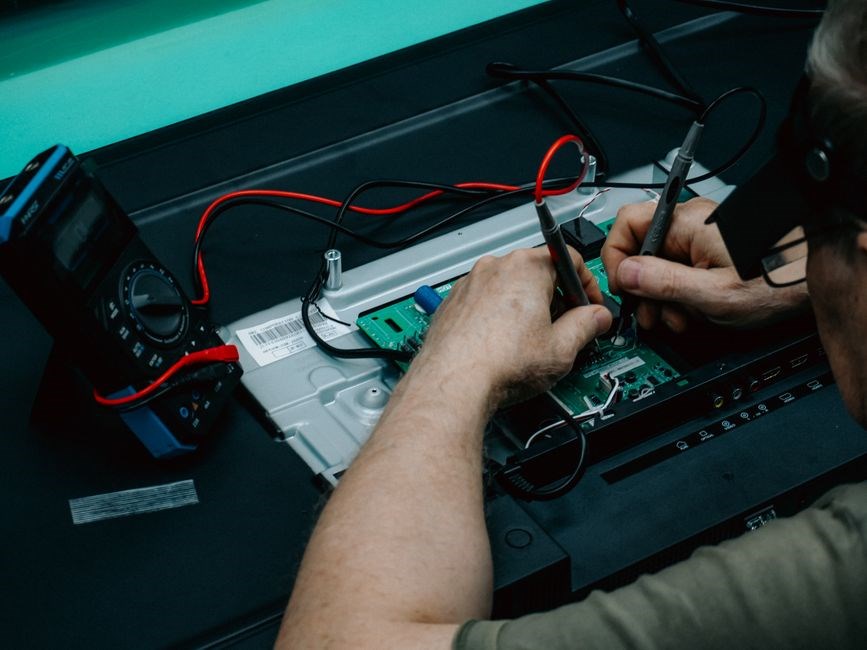
The DS1054Z’s prototyping toolkit features a 10‑channel logic analyzer‚ function generator‚ math functions. Trigger on logic patterns‚ capture waveforms‚ export to USB or SD. Flexible memory and fast sampling aid debugging!!!
Built-in Function Generator
The Rigol DS1054Z’s built‑in function generator is a versatile tool for prototyping‚ offering a frequency range from 1 Hz to 20 MHz and an amplitude swing up to 5 Vpp. Users can select from sine‚ square‚ triangle‚ sawtooth‚ pulse‚ and arbitrary waveforms‚ each adjustable via the front‑panel knobs or the on‑screen menu. The generator supports amplitude modulation‚ frequency modulation‚ and phase modulation‚ allowing the creation of complex test signals. Output coupling can be set to DC or AC‚ and a 50 Ω termination is available for impedance matching. The device includes a built‑in 10‑bit DAC‚ ensuring smooth waveform generation‚ and the waveform memory can store up to 1000 user‑defined patterns for quick recall. With the DS1054Z’s USB‑C connectivity‚ the function generator can be controlled remotely through Rigol’s software suite‚ enabling scripted signal generation for automated test setups. This feature‚ combined with the oscilloscope’s high‑speed sampling‚ makes the DS1054Z a powerful all‑in‑one solution for rapid prototyping and signal analysis. The generator also offers a 50 % duty‑cycle pulse mode‚ a 0‑10 V output range‚ and a 1 kHz to 20 MHz sweep capability‚ ideal for testing RF front‑ends. and sync mode!! Its integrated 10‑bit DAC and 50 Ω termination provide high‑fidelity output‚ while the 1000‑pattern memory allows waveform library creation.now
Logic Analyzer Capability
The DS1054Z’s logic analyzer feature supports up to 4 channels with a 50 MS/s sampling rate‚ enabling real‑time capture of digital signals up to 20 MHz. Users can set trigger levels on any channel‚ configure edge detection‚ and apply multi‑channel logic analysis with built‑in decoding for UART‚ I²C‚ SPI‚ and JTAG protocols. The analyzer offers a 10‑bit resolution‚ 100 kB memory per channel‚ and a 1 kHz to 20 MHz sweep for frequency analysis. With the integrated 50 Ω termination‚ the device ensures accurate signal integrity for high‑speed data lines. The on‑screen waveform display allows zooming‚ cursor measurement‚ and time‑base adjustment‚ while the software interface supports export of captured data to CSV or binary files for offline analysis. The DS1054Z also includes a 4‑channel logic probe mode‚ enabling simultaneous observation of multiple logic families with selectable voltage thresholds. Users can configure the trigger to capture specific patterns or use the “auto” mode for continuous monitoring. The logic analyzer can be controlled via USB‑C‚ allowing remote operation from a PC running Rigol’s software suite‚ which provides advanced filtering‚ decoding‚ and waveform editing tools. This capability makes the DS1054Z a powerful all‑in‑one instrument for debugging digital circuits‚ firmware development‚ and protocol analysis‚ especially in prototyping environments where quick turnaround and low cost are critical. The analyzer supports 4‑channel logic probing analysis now!!!
Maintenance‚ Firmware‚ and Safety
Keep the DS1054Z firmware updated via USB‑C. Clean the front panel with a dry cloth; avoid liquids. Store it in a cool‚ dry place; Follow safety: ground the unit‚ use the supplied power supply‚ and never touch exposed contacts while powered. Refer to manual. ASAP!!
Firmware Updates and Compatibility
The Rigol DS1054Z firmware can be upgraded through the official Rigol website. Download the latest .zip file‚ extract the .bin file‚ and connect the scope to a computer via the USB‑C port. The scope’s internal menu allows “Firmware Update” selection; the device will reboot after installation. Compatibility is maintained across Windows 10/11‚ macOS Monterey‚ and Linux distributions that support USB mass storage. The manual specifies that firmware 1.0.0 supports all features‚ while version 1.1.0 adds enhanced math functions and improved memory handling. Always back up existing settings before updating. If the update fails‚ reset the scope to factory defaults and retry. Firmware updates are not required for basic operation but provide bug fixes and new features. The update process is safe‚ but avoid disconnecting power during the transfer. For advanced users‚ the firmware can be flashed via the command line using the Rigol USB‑C driver. Compatibility with older firmware versions is preserved‚ allowing rollback if needed. Regular updates ensure optimal performance and support for new waveform analysis tools. Users should verify the firmware version number displayed on the front panel after each update to confirm success. Firmware updates are in a binary file now!!!
Common Troubleshooting Tips
When the Rigol DS1054Z behaves unexpectedly‚ follow these steps: 1. Verify the power supply—ensure the 12 V adapter is connected and the indicator light is steady. 2. Check the input cables; replace any with visible wear. 3. Reset the scope by pressing the Reset button for 5 seconds; this restores factory defaults. 4. Confirm the firmware version via the Setup menu; if it differs from the latest release‚ download and install the update. 5. If the display shows a blank screen‚ toggle the Display Off switch on the back panel‚ wait 10 seconds‚ then power back on. 6. For unstable trigger performance‚ set the trigger source to Auto and adjust the level to a midpoint value. 7. If the scope reports “Memory Full‚” clear the waveform memory from the Memory menu. 8. In rare cases of erratic math functions‚ disable Math and re‑enable after a full reset. 9; Ensure the USB‑C cable is not damaged; a faulty cable can cause communication errors. 10. If problems persist‚ contact Rigol support with the serial number and error logs. If you encounter persistent problems‚ consult Rigol’s online knowledge base‚ review the detailed troubleshooting guide‚ or contact technical support for tailored help with your setup!!!